Fix It: what is wrong with your paint?
Pick the defect you can see. Each guide shows you how to check how bad it is, whether it is a DIY job, the steps, and the kit.

Swirl marks
What swirl marks are, how to check how deep they go, and the machine, pads and polish a beginner needs to remove them in a weekend.
Fix it →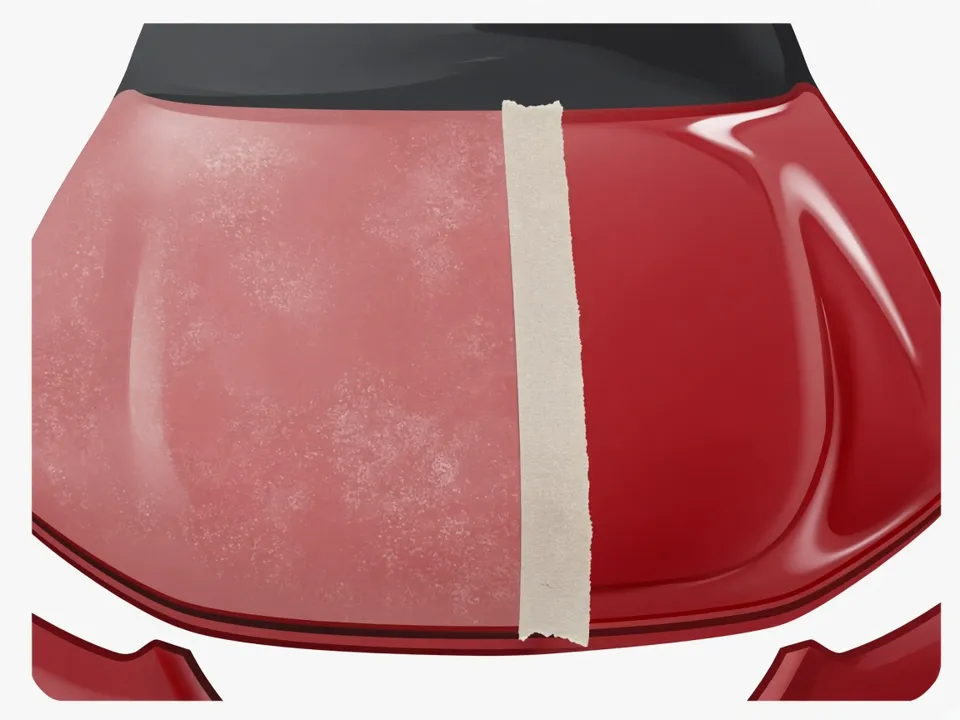
Oxidized paint
How to tell if faded paint can be polished back, when it cannot, and the compound, polish and machine to use if it can.
Fix it →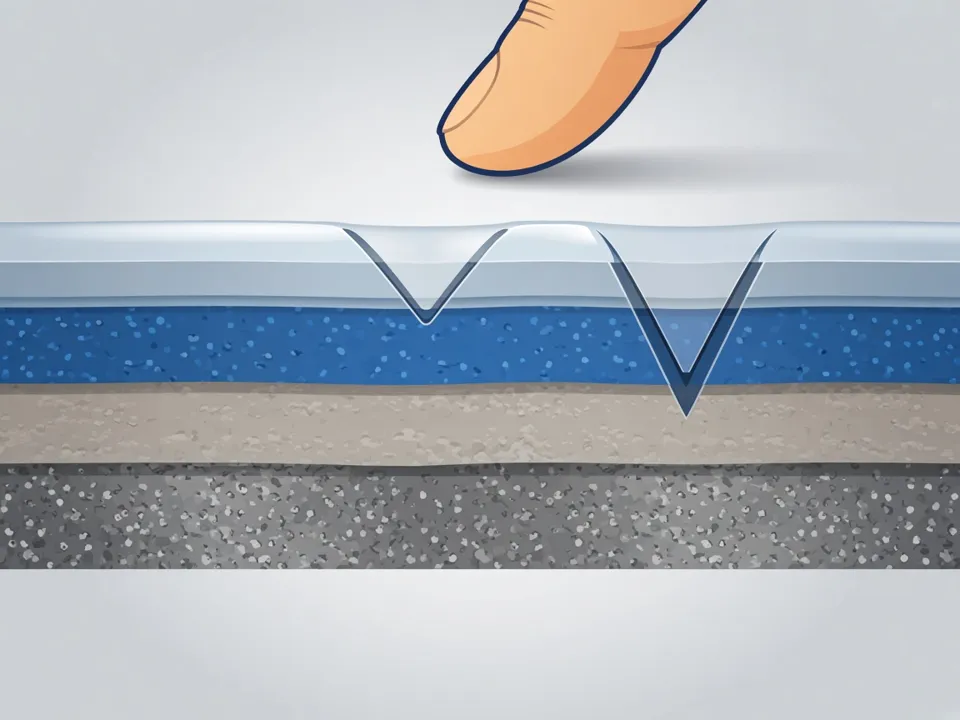
Light scratches
Which scratches buff out and which do not, the fingernail test, and the by-hand and machine options for clear-coat scratches.
Fix it →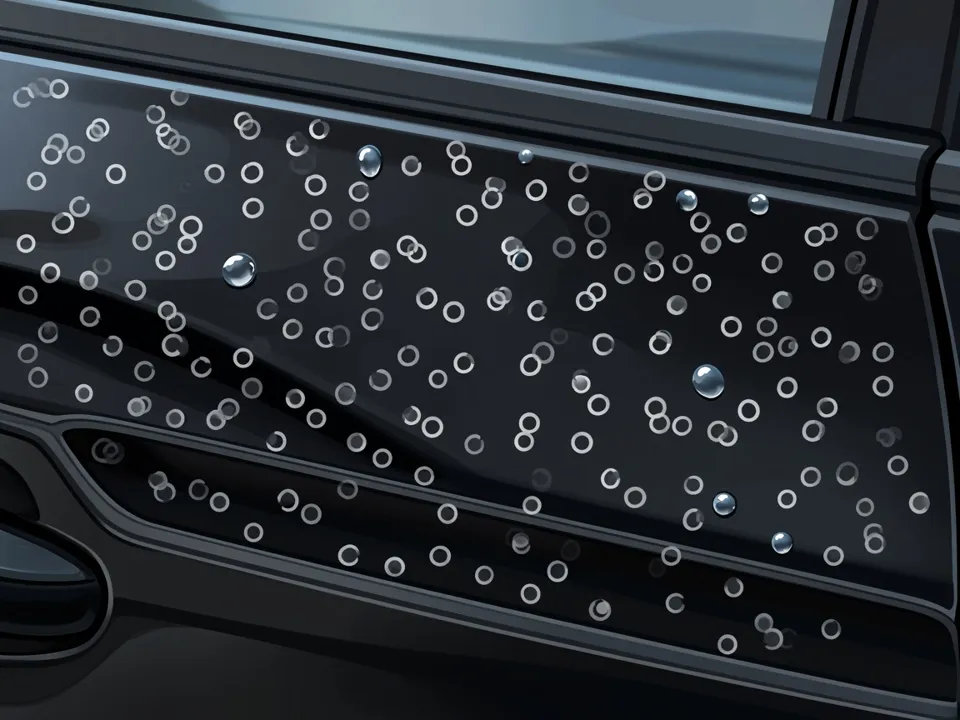
Water spots
Why water spots form, how to tell surface mineral spots from etched spots, and when to use a water spot remover versus polishing.
Fix it →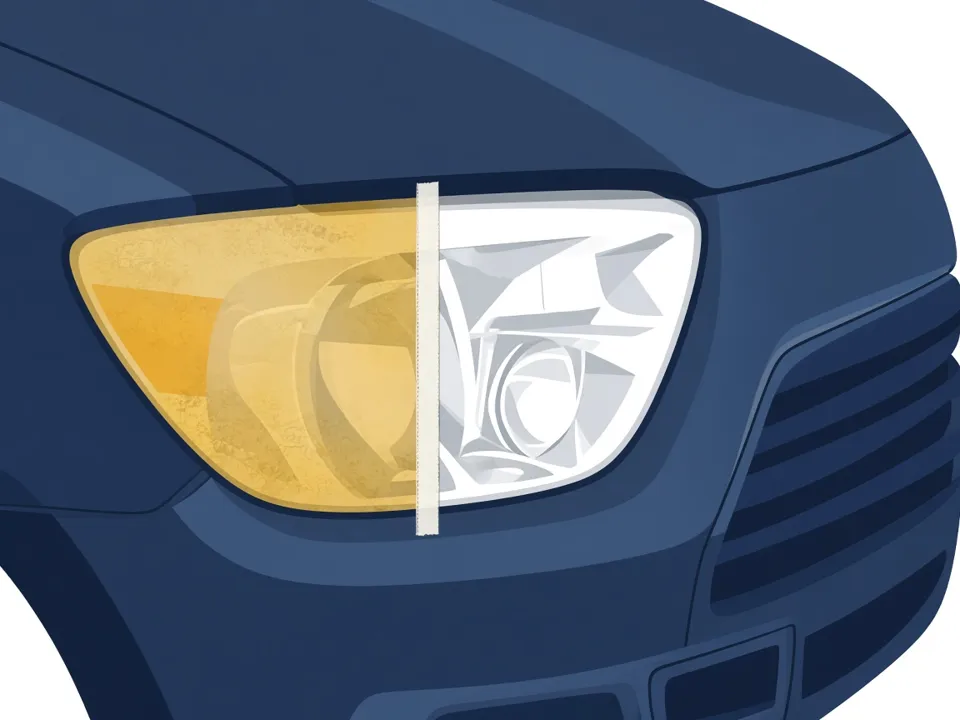
Hazy headlights
Why plastic headlights turn yellow and cloudy, how a headlight restoration kit works, and why the UV coat at the end matters most.
Fix it →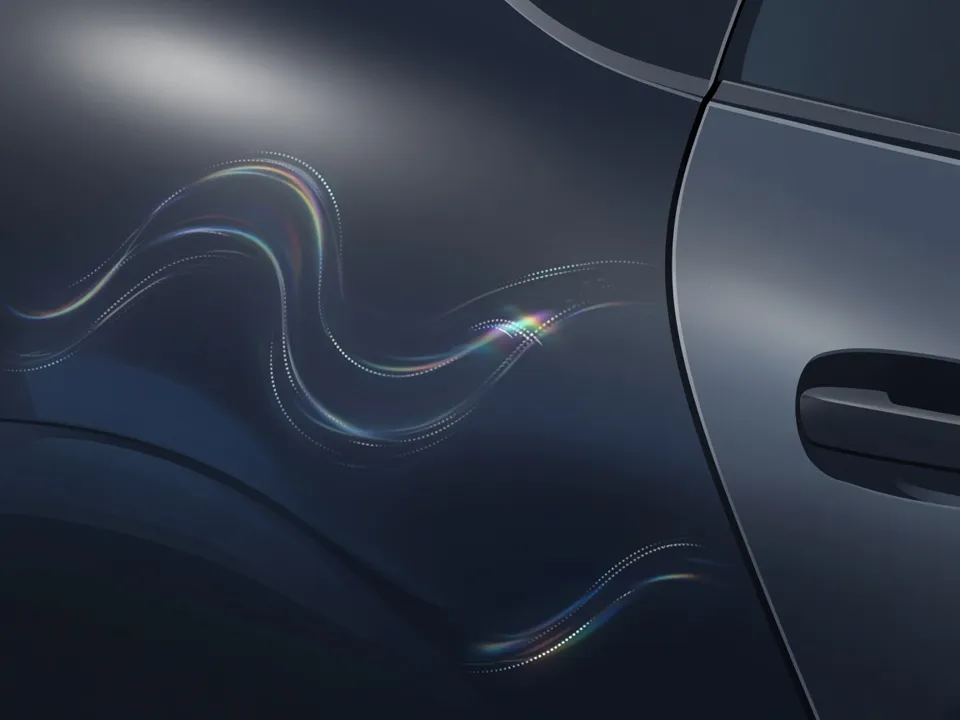
Holograms & buffer trails
What holograms (buffer trails) are, why they usually come from rotary buffing, and how to remove them with a DA polisher and finishing polish.
Fix it →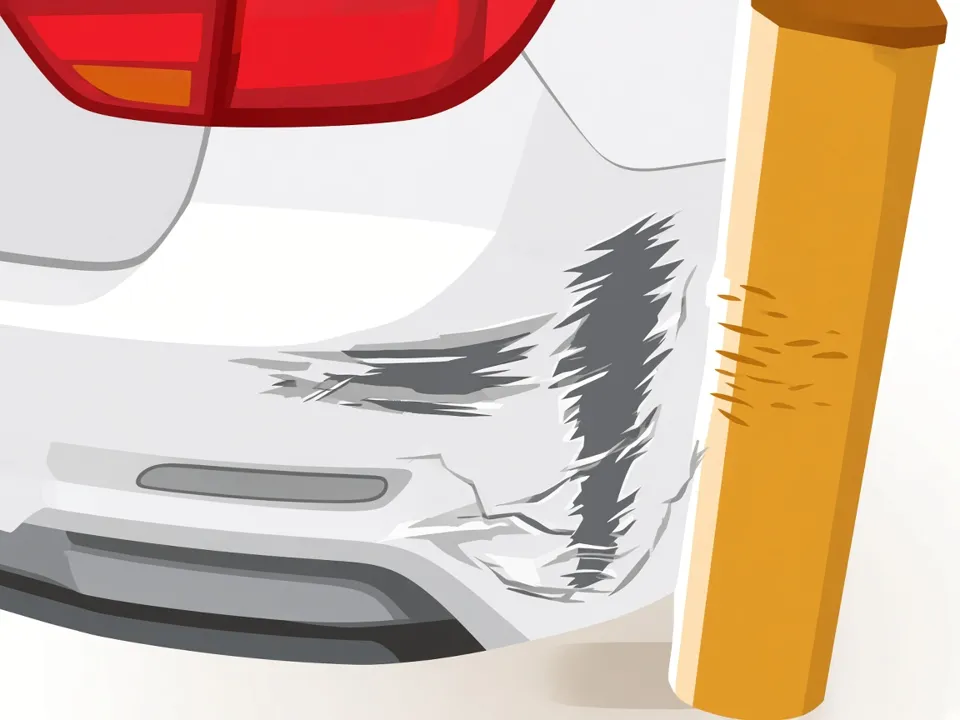
Paint transfer & scuffs
How to remove paint transfer from a pole, garage wall or another car, starting with the gentlest method, and how to tell transfer from real damage.
Fix it →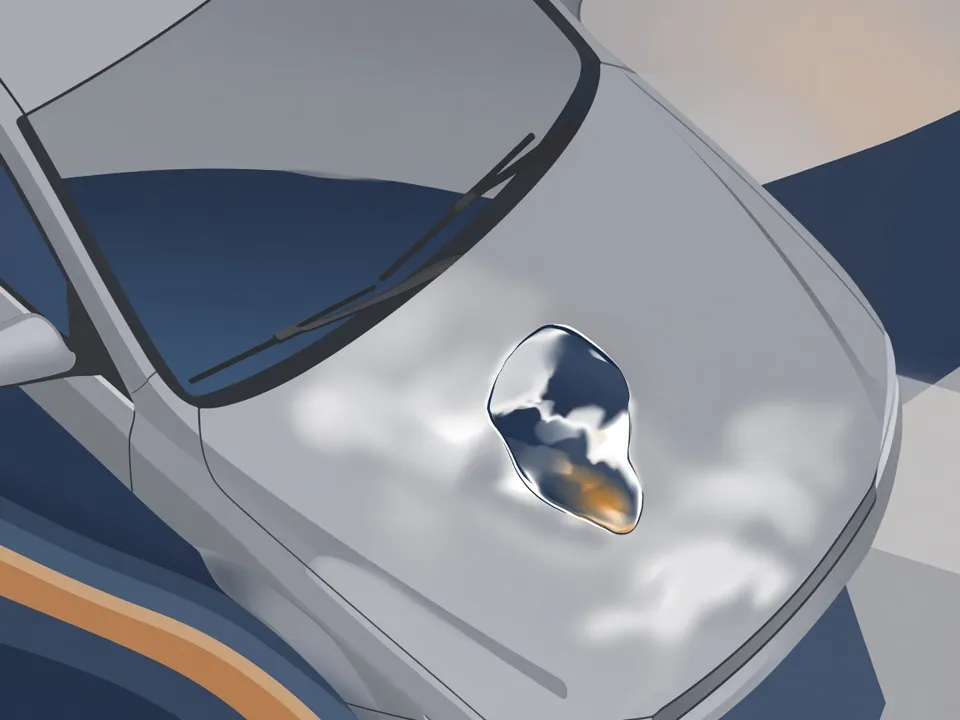
Dull clear coat
Why clear coat looks dull and flat even when clean, how to tell dullness from failing clear coat, and how polishing restores sharp reflections.
Fix it →Not sure which one you have?
Wash and dry the car, then look at it in direct sun or under a bright handheld light. Fine circles around the light are swirls. Chalky, faded color is oxidation. Single lines are scratches: use the fingernail test in light scratches. If you still cannot tell, the Kit Builder will point you at a sensible starting kit.